
Understanding Migraines: Causes, Symptoms, and Relief Strategies
Migraines are more than just severe headaches; they are a complex neurological condition that can cause intense, throbbing pain, usually on one side of the head. Often accompanied by symptoms like nausea, sensitivity to light, and visual disturbances, migraines can interfere with daily activities and significantly impact quality of life. Understanding the causes, symptoms, and effective treatments can help individuals manage migraines and reduce their frequency.
Causes of Migraines
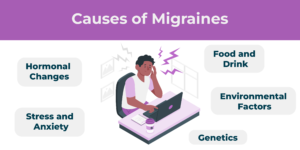
While the exact cause of migraines isn’t fully understood, several factors are known to trigger these painful episodes. Common triggers include:
- Hormonal Changes: Fluctuations in estrogen, often associated with the menstrual cycle, pregnancy, or menopause, can trigger migraines in women.
- Food and Drink: Certain foods like aged cheese, processed meats, alcohol (especially red wine), and caffeine can contribute to migraine attacks.
- Stress and Anxiety: Emotional stress can prompt the onset of migraines. Managing stress through relaxation techniques may help.
- Environmental Factors: Sensory stimuli like bright lights, loud sounds, and strong smells can trigger migraines in susceptible individuals.
- Genetics: Having a family history of migraines increases the likelihood of experiencing them.
Symptoms of Migraines
Migraine symptoms vary among individuals, but a migraine attack typically includes four stages: prodrome, aura, headache, and postdrome. Common symptoms include:
- Throbbing or Pulsating Pain: Usually on one side of the head, the pain may range from moderate to severe and last anywhere from hours to days.
- Aura: Some people experience visual disturbances (flashing lights or zigzag patterns), tingling sensations, or difficulty speaking.
- Nausea and Vomiting: These digestive symptoms often accompany migraines, further intensifying discomfort.
- Sensitivity to Light and Sound: Bright lights and loud sounds can exacerbate migraine pain, often forcing individuals to seek dark, quiet spaces.
- Fatigue and Irritability: The postdrome phase can leave individuals feeling drained and irritable, even after the pain subsides.
Managing and Treating Migraines
While there is no cure for migraines, several treatments and lifestyle strategies can help manage symptoms and reduce their frequency:
- Medication: Over-the-counter pain relievers, like ibuprofen or aspirin, can relieve mild migraines, while prescription medications like triptans are effective for severe cases.
- Preventive Medication: For frequent migraines, doctors may prescribe daily preventive medications, such as beta-blockers, anticonvulsants, or antidepressants, to reduce attack frequency.
- Lifestyle Modifications: Regular sleep, a balanced diet, and hydration are crucial in preventing migraines. Avoiding known triggers, such as certain foods or alcohol, can also help.
- Alternative Therapies: Techniques such as acupuncture, biofeedback, and cognitive behavioral therapy (CBT) have shown promise in reducing migraine severity and frequency.
- Stress Management: Practices like yoga, meditation, and deep breathing can help alleviate stress, a common migraine trigger.
Migraine Prevention Tips
Preventing migraines is often possible by adopting a few lifestyle changes:
- Maintain a Regular Sleep Schedule: Irregular sleep patterns can trigger migraines. Aim for consistent sleep and wake times.
- Stay Hydrated: Dehydration is a known migraine trigger, so drink plenty of water throughout the day.
- Monitor Diet and Caffeine Intake: Avoiding certain foods and limiting caffeine can prevent


