
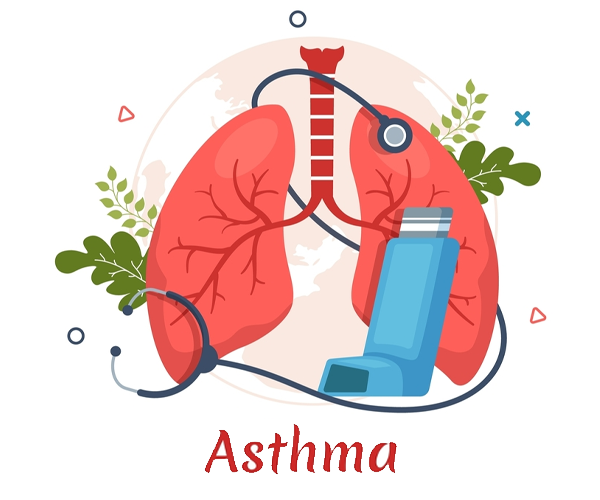
Asthma
Asthma is a condition in which your aviation routes limit and swell and may deliver added bodily fluid. This can make breathing troublesome and trigger hacking, a shrieking sound (wheezing) when you breathe out and shortness of breath.
For a few individuals, asthma is a minor disturbance. For others, it can be a major issue that meddling with day-by-day exercises and may lead to a life-threatening asthma attack.
Asthma can’t be cured, but its indications can be controlled. Since asthma continually changes over time, it’s vital that you work with your specialist to track your signs and side effects and alter your treatment as needed.
Symptoms
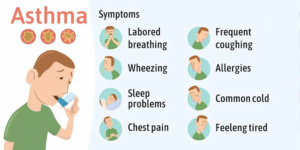
Asthma indications shift from individual to individual. You may have occasional asthma assaults, have side effects as it were at certain times — such as when working out — or have side effects all the time.
Asthma signs and indications include:
- Shortness of breath
- Chest snugness or pain
- Wheezing when breathing out, which is a common sign of asthma in children
- Trouble resting caused by shortness of breath, hacking or wheezing
- Coughing or wheezing assaults that are compounded by a respiratory infection, such as a cold or the flu
Signs that your asthma is declining include:
- Asthma signs and indications that are more visit and bothersome
- Increasing trouble breathing, as measured with a gadget utilized to check how well your lungs are working (top stream meter)
- The require utilizing a quick-relief inhaler more often
For a few individuals, asthma signs and side effects flare up in certain situations:
- Exercise-induced asthma, which may be more regrettable when the discuss is cold and dry
- Occupational asthma, activated by work environment aggravations such as chemical vapor, gasses or dust
- Allergy-induced asthma, activated by airborne substances, such as dust, shape spores, cockroach squander, or particles of skin and dried spit shed by pets (pet dander)
When to see a doctor
Seek crisis treatment
Severe asthma assaults can be life-threatening. Work with your specialist to decide what to do when your signs and side effects compound — and when you require crisis treatment. Signs of an asthma crisis include:
- Rapid declining of shortness of breath or wheezing
- No change indeed after utilizing a quick-relief inhaler
- Shortness of breath when you are doing negligible physical activity
Contact your doctor
See your doctor:
- If you think you have asthma. If you have visit hacking or wheezing that keeps going more than a few days or any other signs or side effects of asthma, see your specialist. Treating asthma early may avoid long-term lung harm and offer assistance keep the condition from getting more awful over time.
- To screen your asthma after determination. If you know you have asthma, work with your specialist to keep it beneath control. Great long-term control makes a difference you feel way better from day to day and can anticipate a life-threatening asthma attack.
- If your asthma indications get worse. Contact your specialist right absent if your medicine doesn’t appear to ease your side effects or if you need to utilize your quick-relief inhaler more often.
Don’t take more pharmaceutical than endorsed without counseling your specialist to begin with. Overusing asthma medicine can cause side impacts and may make your asthma worse.
- To survey your treatment. Asthma frequently changes over time. Meet with your specialist frequently to examine your indications and make any required treatment adjustments.
Asthma triggers
Exposure to various irritants and substances that trigger allergies (allergens) can trigger signs and symptoms of asthma. Asthma triggers are different from person to person and can include:
- Airborne allergens, such as pollen, dust mites, mold spores, pet dander or particles of cockroach waste
- Respiratory infections, such as the common cold
- Physical activity
- Cold air
- Air pollutants and irritants, such as smoke.
Complication
Asthma complications include:
- Signs and side effects that meddled with rest, work and other activities
- Sick days from work or school amid asthma flare-ups
- A lasting narrowing of the tubes that carry discuss to and from your lungs (bronchial tubes), which influences how well you can breathe
- Emergency room visits and hospitalizations for serious asthma attacks
- Side impacts from long-term utilize of a few medicines utilized to stabilize extreme asthma
- Proper treatment makes a enormous distinction in avoiding both short-term and long-term complications caused by asthma.
Prevention
- While there’s no way to avoid asthma, you and your specialist can plan a step-by-step arrange for living with your condition and avoiding asthma attacks.
- Follow your asthma activity plan.With your specialist and wellbeing care group, type in a point by point arrange for taking solutions and overseeing an asthma assault. At that point be beyond any doubt to take after your plan.
- Asthma is an continuous condition that needs standard checking and treatment. Taking control of your treatment can make you feel more in control of your life.
- Get inoculated for flu and pneumonia. Remaining current with inoculations can anticipate flu and pneumonia from activating asthma flare-ups.
- Identify and maintain a strategic distance from asthma triggers.A number of open air allergens and aggravations — extending from dust and form to cold discuss and discuss contamination — can trigger asthma assaults. Discover out what causes or compounds your asthma, and take steps to dodge those triggers.
- Monitor your breathing. You may learn to recognize caution signs of an approaching assault, such as slight hacking, wheezing or shortness of breath.
- But since your lung work may diminish some time recently you take note any signs or side effects, frequently degree and record your top wind stream with a domestic top stream meter. A top stream meter measures how difficult you can breathe out. Your specialist can appear you how to screen your top stream at home.
- Identify and treat assaults early. If you act rapidly, you’re less likely to have a serious assault. You too won’t require as much pharmaceutical to control your symptoms.
- When your crest stream estimations diminish and alarm you to an oncoming assault, take your medicine as educating. Moreover, quickly halt any movement that may have activated the assault. If your side effects do not progress, get restorative offer assistance as coordinated in your activity plan.
- Take your pharmaceutical as prescribed.Don’t alter your drugs without to begin with talking to your specialist, indeed if your asthma appears to be making strides. It’s a great thought to bring your drugs with you to each specialist visit. Your specialist can make beyond any doubt you’re utilizing your medicines accurately and taking the right dose.
- Pay consideration to expanding quick-relief inhaler utilize. If you discover yourself depending on your quick-relief inhaler, such as albuterol, your asthma isn’t beneath control. See your specialist around altering your treatment.


