
Babesiosis
Babesiosis is a parasitic infection primarily transmitted through the bite of infected ticks, especially the black-legged tick. This disease, though more common in certain areas, can affect anyone bitten by an infected tick. Understanding the causes, symptoms, and preventive measures is essential to prevent and treat this condition effectively.
Causes
Babesiosis is caused by Babesia parasites, which infect red blood cells. These parasites are commonly spread through the bite of infected black-legged ticks, also known as deer ticks, which are the same ticks that carry Lyme disease. People are at higher risk in regions where these ticks are abundant, particularly in the Northeast and upper Midwest of the United States. In rare cases, babesiosis can also be spread through blood transfusions or from mother to baby during pregnancy or delivery.
Symptoms
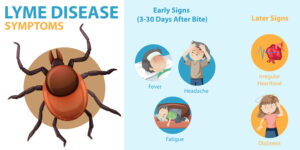
Symptoms of babesiosis can vary greatly from person to person. Many infected individuals experience mild symptoms or may remain asymptomatic. When symptoms do appear, they typically begin one to four weeks after being bitten. Common symptoms include fever, chills, sweats, fatigue, and muscle aches. Other symptoms can include headache, loss of appetite, and dark urine. Severe cases can lead to complications such as hemolytic anemia (the destruction of red blood cells), which can cause jaundice. Individuals with weakened immune systems, including the elderly, people without a spleen, and those with other serious health conditions, are at a higher risk of severe symptoms.
Treatment
Treatment for babesiosis depends on the severity of the infection. Mild cases may resolve on their own without medical intervention, but moderate to severe cases often require treatment with a combination of antibiotics and anti-parasitic medications, such as atovaquone and azithromycin. In more serious cases, particularly if there are complications like severe anemia, a blood transfusion may be necessary. Early diagnosis and treatment are essential for recovery and reducing the risk of complications.
When to See a Doctor
Seek medical attention if you’ve been bitten by a tick and begin to experience symptoms like fever, chills, or unexplained fatigue, especially if you live in an area where babesiosis is common. Because symptoms may be mild or overlap with other illnesses, early diagnosis is critical to prevent complications. Those who are at higher risk, including individuals with weakened immune systems or without a spleen, should be particularly vigilant and consult a doctor promptly.
Precautions
Preventing babesiosis primarily involves reducing exposure to tick bites. When spending time in wooded or grassy areas, wear long-sleeved clothing, use insect repellents containing DEET, and tuck pants into socks to minimize skin exposure. After outdoor activities, perform thorough tick checks on yourself and pets, as ticks often latch on in hidden areas. Promptly removing any attached ticks can also reduce the risk of infection. In regions where babesiosis is common, individuals at higher risk should take extra precautions when outdoors. Regular monitoring and awareness are key to minimizing the risk of contracting babesiosis.


