
Malaria
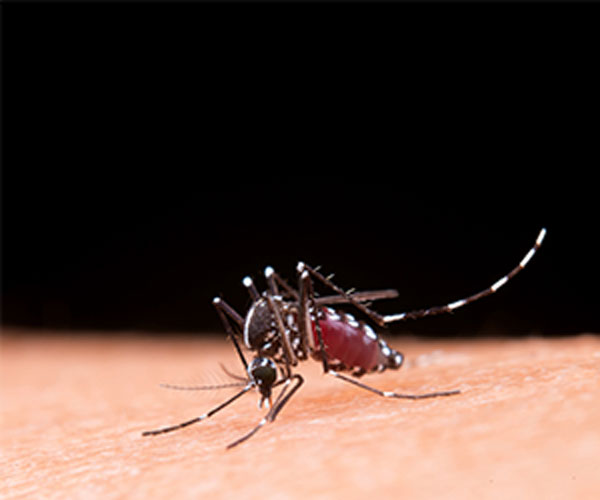
Malaria is an infectious disease caused by Plasmodium parasites, which are spread to humans through the bite of infected female Anopheles mosquitoes. Once the parasite enters the body, it travels to the liver, where it multiplies before infecting red blood cells. This invasion leads to the characteristic symptoms of malaria, which can range from mild to severe, depending on the type of Plasmodium and the individual’s immune response.
Symptoms
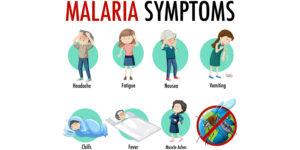
Common symptoms of malaria include sudden episodes of high fever, severe chills, excessive sweating, and a general feeling of fatigue. Patients may also experience headaches, nausea, vomiting, and muscle pain. In more severe cases, malaria can lead to complications such as organ failure, anemia, and even death if left untreated.
Treatment
Treatment for malaria depends on several factors, including the species of Plasmodium involved, the severity of the infection, and the patient’s overall health. Antimalarial medications, such as chloroquine or artemisinin-based combination therapy (ACT), are commonly used to treat the disease. For individuals infected with strains resistant to certain drugs, alternative medications or combinations may be prescribed. Early treatment is critical to prevent complications and ensure full recovery.
When to See a Doctor
It is important to seek medical advice promptly if you develop symptoms suggestive of malaria, particularly after traveling to areas where the disease is prevalent. Early diagnosis and treatment can significantly reduce the risk of severe illness or death. A blood test is typically required to confirm the infection.
How long to cure
The recovery period for malaria varies. With proper treatment, uncomplicated malaria can be resolved within a few days. However, more severe cases or drug-resistant infections may require longer treatment, and full recovery can take several weeks, especially if complications arise.


