

Understanding Infertility in Women: Causes, Symptoms, and Treatment Options
Infertility in women is a condition where a woman faces challenges in conceiving or carrying a pregnancy to term, despite trying for over a year. Affecting millions worldwide, female infertility can stem from various health, lifestyle, and genetic factors. Understanding the causes, symptoms, and available treatments for infertility is essential for women who are trying to conceive or looking for reproductive health support.
Causes of Infertility in Women
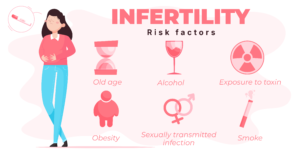
Infertility in women can be caused by numerous factors, which may impact the ovaries, fallopian tubes, or uterus. Some common causes include:
- Ovulation Disorders: Conditions like polycystic ovary syndrome (PCOS) and hormonal imbalances can prevent ovulation or disrupt regular menstrual cycles.
- Age-Related Decline: Fertility decreases with age, especially after age 35, as the quantity and quality of a woman’s eggs diminish.
- Endometriosis: This condition, where tissue similar to the lining of the uterus grows outside it, can cause infertility by affecting egg release or implantation.
- Tubal Blockage: Blocked or damaged fallopian tubes, often caused by infections like pelvic inflammatory disease (PID), can hinder sperm from reaching the egg.
- Lifestyle Factors: Smoking, excessive alcohol consumption, poor diet, and high-stress levels can negatively impact fertility.
Symptoms of Infertility in Women
Most women experiencing infertility may not have obvious symptoms other than difficulty in conceiving. However, some signs that may indicate infertility include:
- Irregular Menstrual Cycles: Irregular periods or the absence of menstruation can signal ovulation issues.
- Pain During Intercourse: Painful intercourse could be linked to conditions like endometriosis or fibroids, which may affect fertility.
- Hormonal Changes: Symptoms such as weight gain, acne, or hair loss may suggest hormonal imbalances impacting reproductive health.
- Heavy or Painful Periods: Heavy menstrual flow or severe cramps could be related to underlying reproductive conditions affecting fertility.
Diagnosis and Treatment of Female Infertility
If a woman suspects infertility, consulting a healthcare provider can lead to appropriate tests and diagnosis. Treatment options vary based on the underlying cause and may include:
- Medications for Ovulation: Medications such as Clomiphene and Letrozole are commonly used to stimulate ovulation in women with ovulatory disorders.
- Assisted Reproductive Technologies (ART): Techniques like in vitro fertilization (IVF) and intrauterine insemination (IUI) are effective options for women with certain infertility issues.
- Surgery: Surgical interventions, such as laparoscopic surgery for endometriosis or tubal surgery to remove blockages, can improve fertility chances.
- Lifestyle Changes: Improving diet, reducing stress, and maintaining a healthy weight can positively impact fertility and are often recommended as part of a holistic approach.
Preventive Measures and Support for Infertility
Although some causes of infertility are beyond a woman’s control, several lifestyle changes can support reproductive health:
- Healthy Diet: A diet rich in vitamins, minerals, and antioxidants can help improve fertility.
- Regular Exercise: Moderate exercise supports a healthy weight and balanced hormone levels, both of which are essential for reproductive health.
- Avoiding Tobacco and Excessive Alcohol: Both smoking and heavy drinking have been linked to reduced fertility in women.
- Stress Management: Chronic stress can negatively impact reproductive health, so practices like yoga, meditation, or therapy may be beneficial.


